
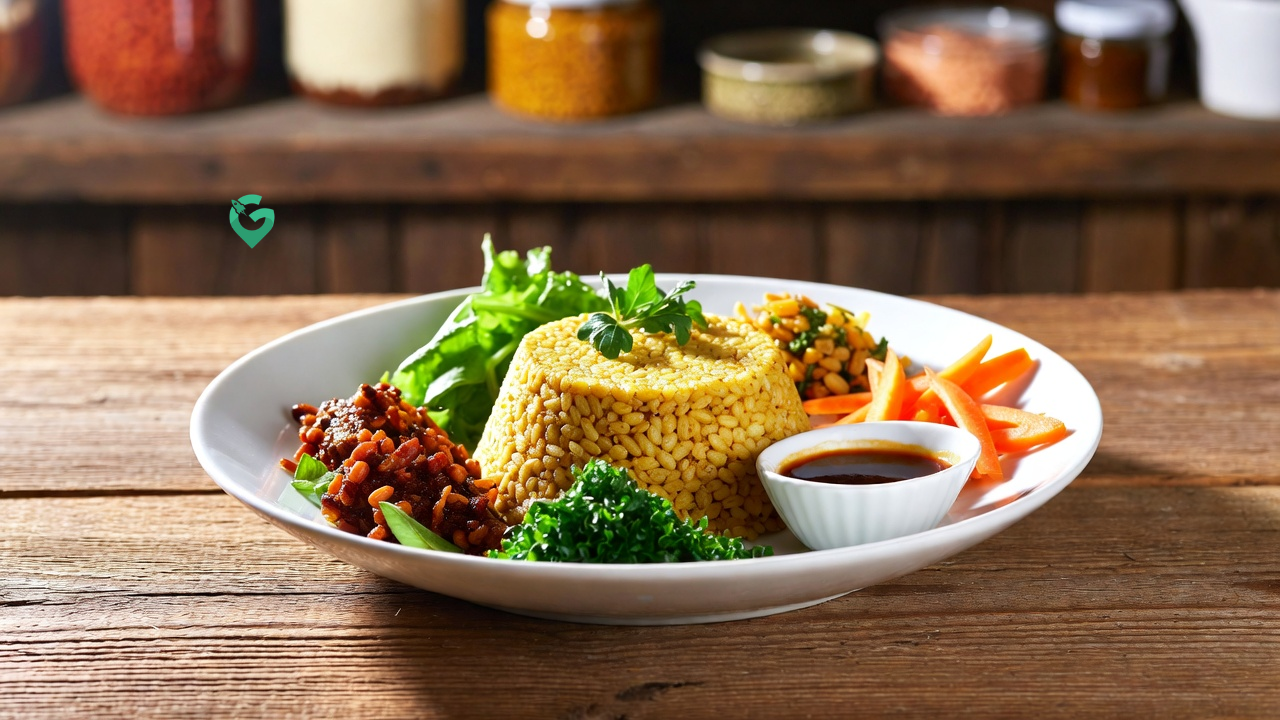
Çeciir: Delving into Its Essence, Heritage, and Societal Role
Introduction
In the vibrant tapestry of Turkish cuisine, few ingredients capture the essence of simplicity, nourishment, and tradition quite like chickpeas. At the heart of this legacy stands çeciir, a term that evokes images of golden, crunchy snacks or hearty stews simmering on stovetops. Derived from the humble chickpea—known scientifically as Cicer arietinum—çeciir represents more than just food; it’s a bridge between ancient agricultural practices and modern-day meals. This versatile dish, whether roasted for a quick bite or stewed into a comforting meal, has become integral to Turkish and Middle Eastern cultures. As we explore çeciir, we’ll uncover its multifaceted nature, from its nutritional prowess to its role in fostering community bonds. In an era where health-conscious eating meets culinary nostalgia, çeciir offers a timeless appeal that’s both accessible and deeply satisfying.
Defining Çeciir: A Versatile Culinary Staple
Çeciir, at its core, refers to preparations centered around chickpeas, one of the world’s oldest cultivated legumes. Depending on the context and region, it can manifest in various forms: a savory stew bubbling with onions, garlic, and spices; a crunchy roasted snack seasoned with herbs; or even chickpea flour incorporated into baked goods. The term itself is associated with Turkish culinary traditions, in which chickpeas are transformed through simple techniques to create dishes that are flavorful yet straightforward.
In its stew form, çeciir typically involves soaked chickpeas cooked with aromatic ingredients like tomato paste, olive oil, cumin, and paprika, resulting in a thick, hearty dish often served alongside rice or flatbread. The roasted version, on the other hand, highlights the chickpea’s natural nuttiness—dried legumes are tossed in oil and spices, then baked until crisp, making them an ideal portable treat. Chickpea flour, another iteration, serves as a gluten-free alternative in breads, pancakes, or desserts, adding an earthy depth. What unites these variations is their reliance on minimal ingredients, emphasizing the chickpea’s inherent versatility and ability to absorb flavors while retaining a satisfying texture.
This adaptability makes çeciir a go-to for home cooks and street vendors alike. In Turkey, it’s not uncommon to find vendors hawking bags of roasted çeciir at markets, their spicy aroma drawing in passersby. Beyond Turkey, similar preparations are found across Middle Eastern cuisines, underscoring the chickpea’s global journey from ancient fields to contemporary plates.
The Historical Origins of Çeciir
The story of çeciir begins millennia ago in the Fertile Crescent of the Middle East, where chickpeas were first domesticated more than 7,000 years ago. Archaeological evidence suggests these legumes were a staple in early diets, valued for their durability, high yield, and nutritional density. As trade routes expanded, chickpeas spread across the Mediterranean, reaching Anatolia—the heartland of modern Turkey—where they became integral to local agriculture.
During the Ottoman Empire, çeciir evolved into a symbol of everyday sustenance and hospitality. Roasted chickpeas, in particular, were favored by travelers and merchants for their long shelf life, providing a reliable source of energy on long journeys. Ottoman records indicate that chickpeas were used not only as food but also in medicinal contexts, believed to aid digestion and boost vitality. Family recipes were passed down through generations, with each household adding its unique twist—perhaps a dash more cumin or a sprinkle of sumac—to preserve cultural identity.
By the 1500s, Spanish explorers introduced chickpeas to the Americas, but in Turkey, the tradition remained rooted in communal cooking. Çeciir’s heritage reflects broader historical migrations, blending influences from Persian, Arabic, and Byzantine cuisines. Today, it stands as a testament to resilience, surviving wars, empires, and modernization while adapting to new palates.
Cultural Significance and Societal Role
In Turkish society, çeciir transcends the plate to embody values of generosity, community, and continuity. Offering a bowl of çeciir stew or a handful of roasted chickpeas to guests is a gesture of welcome, symbolizing abundance and respect. This practice dates back to Ottoman times, when such simple fare bridged social classes, from palace banquets to village gatherings.
Family life revolves around çeciir in many ways. During holidays or casual evenings, preparing and sharing it strengthens bonds, with stories exchanged over steaming pots. In rural areas, it’s a staple at weddings and celebrations, where its affordability ensures everyone can partake. Urban street food culture amplifies this, with çeciir vendors fostering a sense of shared heritage in bustling cities such as Istanbul.
Beyond Turkey, çeciir’s cultural echoes appear in Middle Eastern traditions, where chickpea-based dishes such as hummus and falafel highlight similar themes of hospitality. In a modern context, it promotes sustainability—chickpeas require less water than many crops, aligning with eco-conscious societal shifts. Thus, çeciir not only nourishes the body but also reinforces social ties, making it a quiet pillar of cultural identity.
Nutritional Benefits: A Superfood in Disguise
One of çeciir’s greatest appeals lies in its health benefits, positioning it as a nutrient-dense powerhouse. Chickpeas are packed with plant-based protein, making çeciir an excellent option for vegetarians and vegans seeking muscle repair and satiety. High in dietary fiber, it supports digestive health, regulates blood glucose, and aids in weight management by promoting satiety.
Essential minerals are abundant: iron for energy, magnesium for bone health, potassium for cardiac function, and folate for cell growth. Vitamins such as B6 enhance metabolism, while a low-fat content helps lower cholesterol. Studies suggest regular consumption can reduce risks of diabetes and cardiovascular issues, thanks to its slow-digesting carbs.
In Turkish diets, çeciir complements the Mediterranean emphasis on whole foods, offering a gluten-free, allergen-friendly alternative. Whether as a snack or main dish, it provides sustained energy without the crash associated with processed foods, appealing to health enthusiasts worldwide.
Traditional Preparation and Recipes
Preparing çeciir is an art of patience and simplicity. For the roasted snack: Soak 2 cups of dried chickpeas overnight, drain, and pat dry. Toss with 2 tablespoons of olive oil, 1 teaspoon of salt, and spices such as paprika or cumin. Roast at 375°F for 30-40 minutes, stirring occasionally for an even crunch. Store in an airtight container for up to a week.
The stew version starts similarly: Boil soaked chickpeas until tender. Sauté onions and garlic in olive oil, then add tomato paste, spices (cumin and oregano), and chickpeas. Simmer until flavors meld, then garnish with lemon and parsley. Serve with yogurt or bread for a complete meal.
These methods highlight çeciir’s accessibility—no fancy equipment needed, just quality ingredients and time.
Modern Adaptations and Innovations
While rooted in tradition, çeciir thrives in contemporary kitchens. Chefs incorporate roasted chickpeas into salads for crunch, blend them into smoothies, or use chickpea flour in vegan brownies. Global fusion sees çeciir in wraps, pasta toppings, or even desserts.
Health trends amplify its popularity: as a gluten-free base in baking and as a protein source in plant-based diets. Street food also evolves, with flavored varieties such as honey-sweetened or spicy sumac-dusted options. In sustainable cooking, çeciir’s low environmental footprint makes it a forward-thinking choice.
Goten
Conclusion
Çeciir encapsulates the beauty of Turkish heritage—simple, nourishing, and communal. From ancient origins to modern tables, it reminds us that great food often stems from humble beginnings. Whether enjoyed as a snack or stew, çeciir invites us to savor its essence while honoring its cultural depth.