Application mobile DualMedia – High-Performance Android & iOS Apps
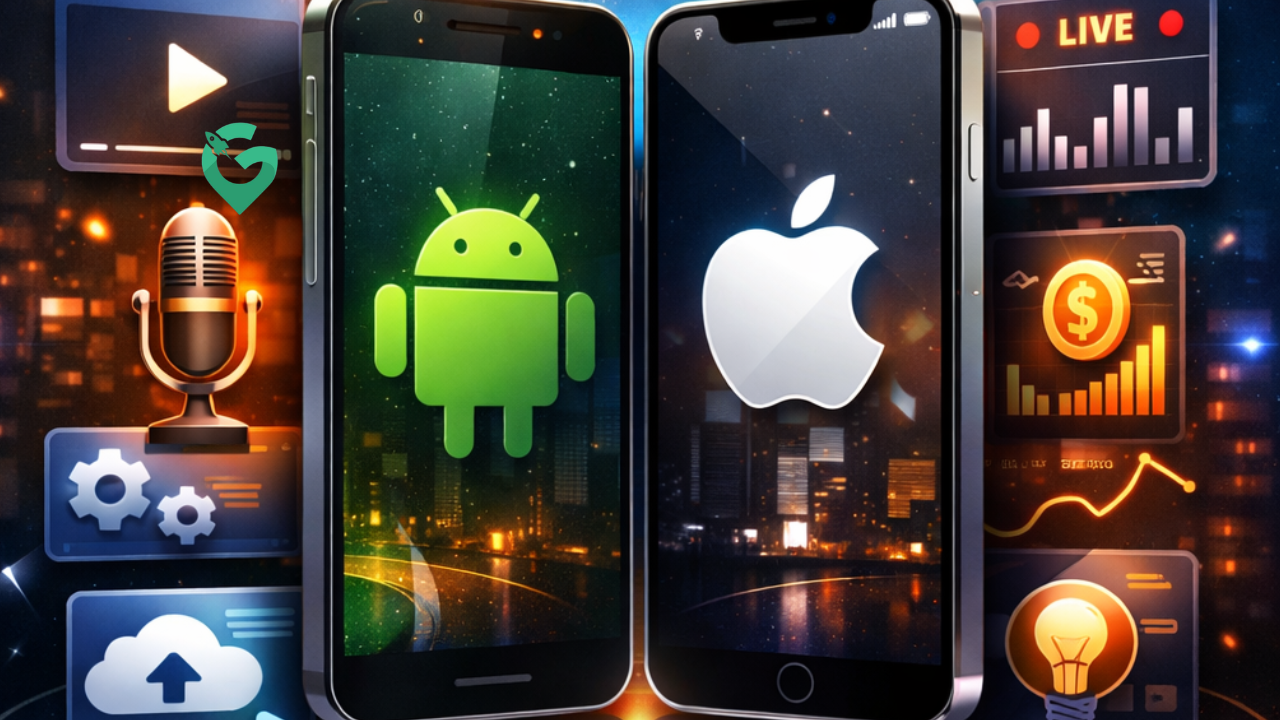
When you hear the phrase “application mobile DualMedia”, you’re basically talking about a new way of thinking about mobile apps: not just “an app for your business,” but a high-performance tool that runs smoothly on both Android and iOS, handles rich media like audio and video, and actually supports your goals instead of just looking good on a slide. Whether it’s built by the DualMedia agency or inspired by the “dual-media” concept you see in recent tech blogs, the idea is the same: one powerful app, two major platforms, and a user experience that feels fast, modern, and useful in real life.
Today, companies, content creators, and even small teams expect more from their apps. They want something that can manage content, connect with users, collect data, and sometimes even generate revenue. That’s where an application, mobile dualmedia, stands out. It’s built with performance in mind, but also with flexibility, so it can grow with your project rather than become outdated after a year.
What Do We Really Mean by “Application mobile DualMedia”?
The term “application mobile DualMedia” appears in two contexts that are slightly different but related.
On one side, it refers to the custom mobile applications designed and developed by the DualMedia agency. These are professional-grade apps made for businesses that want something tailored: an online shop, a booking tool, a customer portal, a training app, or an internal tool for staff. The focus is on quality, performance, and results that feel like they belong to the brand, not like a generic template.
On the other hand, more recent tech articles use “dualmedia” to describe apps that combine multiple media formats. Think of a platform where you can record and publish audio and video, do live streams, repurpose content, and manage it all from one place. These apps are popular with creators, coaches, and educators who don’t want to juggle ten different tools just to reach their audience.
Even though the angle is a bit different, the core idea is the same in both cases:
- Build one mobile application that works properly on both Android and iOS
- Make it fast, stable, and pleasant to use
- Give it features that genuinely support the user’s work or business, not just “nice-to-have” extras.
So, when someone talks about a mobile dual-media application, think of it as a serious, cross-platform app that treats performance and user experience as non-negotiables.
Why These Apps Don’t All Cost the Same
A common mistake is asking, “How much does a mobile app cost?” as if there’s a standard price. In reality, the cost of a mobile DualMedia applicationis shaped by several practical factors. Understanding these helps you see why one project might be much more expensive than another.
The first factor is feature complexity. A simple app with a few static pages and no login system is at level 1. An app with user accounts, secure payments, push notifications, media uploads, streaming, and advanced analytics is on a completely different level. Each extra function brings more design work, more code, more testing, and more maintenance.
Then there’s design and user experience (UX). High-performance apps are not only fast; they are also easy and pleasant to use. That means clear navigation, readable typography, consistent colours and icons, and sometimes animations or transitions that make the interface feel alive. A rushed or generic design might be cheaper, but it usually leads to lower engagement and more user frustration.
Platform strategy also matters. If you want your application mobile dualmedia to run on Android and iOS, you need a smart approach. Some teams choose to build two separate native apps; others rely on modern cross-platform frameworks that share most of the code. Both paths have pros and cons, but either way, supporting two platforms takes more work than supporting just one.
Finally, there is the hidden part of every serious app: maintenance and evolution. Operating systems change, devices update, security standards move, and user expectations grow. A well-planned app project always includes room for bug fixes, updates, and new features. If this is ignored at the start, it becomes a headache later.
DualMedia’s Way of Handling Pricing and Scope
Because of all these variables, agencies that specialise in mobile don’t usually say, “An app costs X.” Instead, they do what DualMedia is known for: custom quotes based on real needs.
The process often starts with a discovery phase. This is where the team listens more than it talks. They try to understand:
- What is the main purpose of the app?
- Who will use it, and in what situations?
- Which features are essential, and which ones are “nice if we can”?
- How soon does it need to be launched, and what is the realistic budget?
Once that’s clear, the team can propose a scope of work instead of just a price. For example, a first version (an MVP) might include the core features: user login, content display, basic media handling, and simple analytics. More advanced features, such as complex monetisation, deep integrations, or AI-powered tools, can be scheduled for later phases, once the app is live and generating value.
This approach lets an application mobile DualMedia be tailored to a start-up with limited funds or to a mature company with a larger budget. The promise is not “the cheapest app,” but the best balance between cost, quality, and future growth.
The Tech Behind High-Performance Android & iOS Apps
Behind every smooth screen and clean interface, there’s a technical backbone doing the heavy lifting. For a mobile dual-media application, the backbone is usually built from a few key choices.
One big choice is whether to use cross-platform frameworks like React Native or Flutter. These allow developers to write most of the code once and deploy it on both Android and iOS. Done properly, this gives you apps that feel native, respond quickly, and keep a consistent look and behaviour across devices. It also makes it easier to add features later, because you’re not updating two completely separate codebases.
Another important aspect is modular architecture. Instead of writing one giant block of code, the app is divided into modules: authentication, media player, payments, notifications, analytics, and so on. If later you decide to add a podcast section to a video-based app, or swap payment providers, this modular design makes the change far less painful.
Many modern implementations of the mobile DualMedia application also rely on cloud services and AI tools. For media-heavy apps, that might mean using cloud storage and content delivery networks so videos and audio files load quickly from anywhere. AI can help generate subtitles, suggest highlights, or recommend content to users based on their behaviour. For more business-oriented apps, AI might power smart search, recommendations, or automation of routine tasks.
All of this is wrapped in a solid backend and integration layer. The app usually needs to communicate with other systems, such as payment gateways, CRM platforms, learning management systems, or analytics tools. Secure APIs, reliable authentication, and sound data-handling practices are essential to keep everything running smoothly and safely.
What Happens After the App Is Launched
A lot of people think the job is over once the app appears in the Play Store and the App Store. In reality, that’s just the starting line. A mobile dual-media application is meant to live, grow, and adapt.
After launch, you quickly learn how real users behave: which screens they visit most, where they drop off, which features they ignore, and what they ask for in reviews or support messages. This feedback shapes the next set of updates. If the development team has planned for ongoing work from the beginning, it’s much easier to respond quickly and keep the app improving.
Maintenance usually includes:
- Bug fixes for issues that only appear when thousands of people use the app
- Compatibility updates when new versions of Android or iOS are released
- Security updates to protect user data and comply with new rules
- Feature upgrades based on user feedback and business priorities
For content creators using a dual-media type app, there’s also the business side. The app might include dashboards that show views, listens, watch time, subscriber growth, and revenue. This information helps creators decide what to produce next, when to go live, and which formats work best for their audience.
In both business and creator scenarios, a good application mobile DualMedia is designed as a long-term partner, not a short-term campaign.
Why This Kind of App Is Getting So Popular
So why are we seeing more and more talk about mobile dual-media applications? The simple answer is: people want more power in fewer tools.
Businesses are tired of running separate systems for web, mobile, video, support, and internal communication. Creators are tired of recording once and then manually chopping, repackaging, and re-uploading content to five different platforms. Users are tired of clunky apps that don’t feel consistent across their phone and tablet.
A DualMedia-style approach speaks to all of that. It promises:
- One app that gives you a professional presence on both Android and iOS
- A design and user experience that feels modern and trustworthy
- The ability to combine media, interaction, and business logic in one place
- A roadmap for growth, not a dead end after version 1.0
In other words, it’s not just an “app project,” it’s an ongoing mobile strategy.
Goten
Final Thoughts
The title “Application mobile DualMedia – High-Performance Android & iOS Apps” encapsulates a larger idea than it might seem at first glance. It’s about building mobile applications that are fast, flexible, and genuinely useful, whether designed by the DualMedia agency or built on the same dual-media principles.
For a company, that might mean a custom app that streamlines processes, engages customers, or opens a new digital channel. For a creator or educator, it might mean a mobile home base where audio, video, live sessions, and community all come together. In both cases, the goal is the same: to use the power of mobile in a way that feels natural to users and sustainable for the people who run the project.
If you remember just one thing, let it be this: a mobile dual-media application isn’t just about having an app in the stores. It’s about having the right app – one that performs well on Android and iOS, grows with you, and actually supports the work you’re trying to do.