The Unsent Project: Archive of Unspoken Words
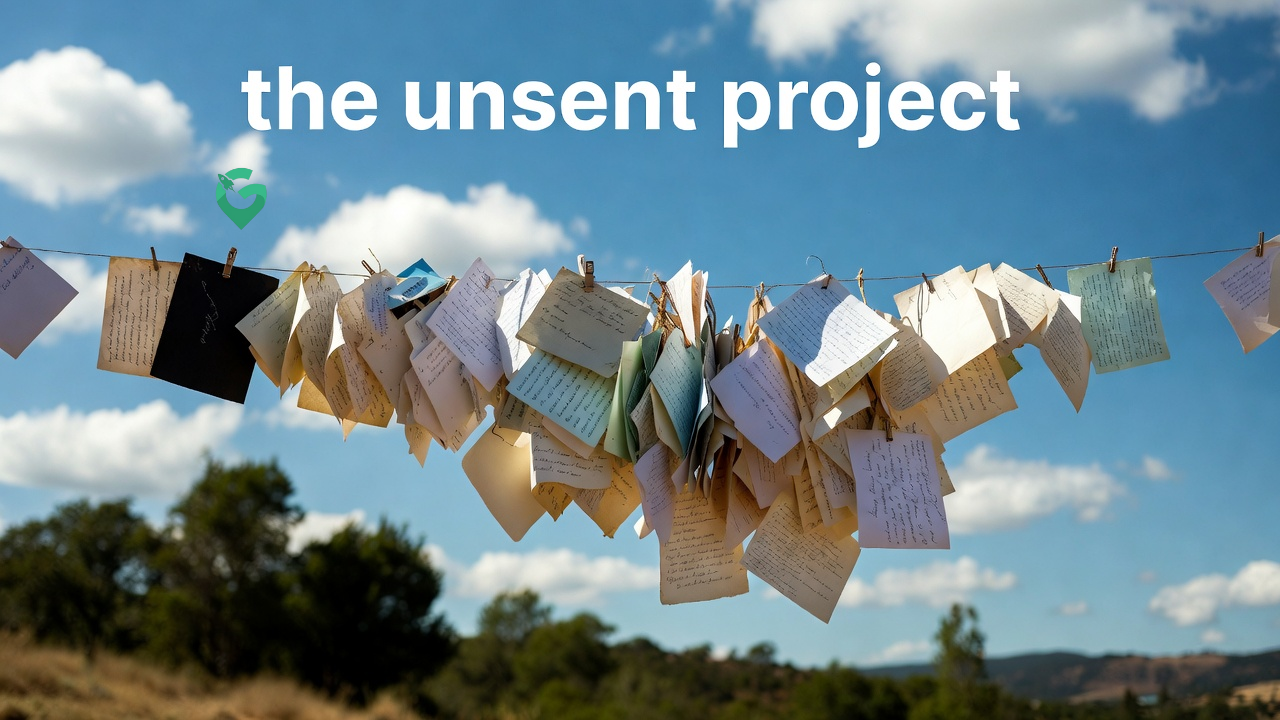
The Unsent Project stands as a poignant digital repository where unspoken emotions find a voice. At its core, this initiative invites people worldwide to submit anonymous text messages they never sent to their first loves—be it romantic partners, friends, family, or even pets. Each submission is paired with a color that represents the emotion behind it, creating a vibrant mosaic of human vulnerability. Since its inception, the unsent project has amassed over 5 million entries, transforming personal regrets and affections into a collective archive that resonates with millions. It’s more than just a website; it’s a therapeutic space for catharsis, allowing users to release pent-up feelings without the fear of confrontation.
Origins and History
The unsent project traces its roots back to 2015, when 19-year-old artist Rora Blue launched it on Tumblr from her home in California. Blue’s initial goal was simple yet profound: to explore “what color people see love in.” She invited anonymous submissions of unsent texts to first loves, asking contributors to associate each message with a hue that captured its essence. What began as a personal artistic inquiry quickly snowballed. Submissions started slowly but soon surged—reaching 20,000 in a single day—forcing Blue to self-teach coding to build a scalable platform.
Over the years, the project evolved from a Tumblr page into a dedicated website, theunsentproject.com, launched to handle the growing volume. By 2025, it had expanded further with a mobile app, allowing users to discover messages potentially addressed to them through name searches. This growth reflects a cultural shift toward digital emotional expression, especially amid rising awareness of mental health. Blue, now based in Reno, Nevada, has seen her creation become a global phenomenon, with entries from diverse backgrounds highlighting universal themes of love, loss, and longing.
How It Works
Participating in the unsent project is straightforward and anonymous, emphasizing accessibility and privacy. Users visit the website or app and submit their unsent message via a simple form. They provide the text—often raw and unfiltered—along with the recipient’s name (or a placeholder) and select a color from a palette that evokes the emotion tied to it. Colors range from passionate reds to melancholic blues, adding a visual layer to the textual confessions.
Once submitted, messages are added to the archive, which is publicly searchable. Visitors can filter by name or color, or browse at random, uncovering a tapestry of human experiences. The site warns users of potential explicit content and requires age verification for those 18 and older. This setup fosters a sense of community; people often search for their own names, hoping to find hidden messages from past connections, though the anonymity means true origins remain mysterious.
The project’s design encourages reflection. As Blue explains, it’s about providing “an outlet of expression for texts that have nowhere else to go.” Submissions aren’t vetted for authenticity, blending real heartache with creative fiction, which adds to its intrigue and emotional depth.
The Role of Colors in Emotional Expression
A unique hallmark of the unsent project is its integration of color theory. Each message is displayed on a background matching the submitter’s chosen shade, symbolizing the nuanced spectrum of love. Blue’s original question about love’s color has revealed patterns: pinks for tender affection, blacks for grief, and yellows for hopeful nostalgia.
This visual element elevates the project from mere text dumps to an artistic installation. Users report that assigning a color helps process emotions more tangibly, turning abstract feelings into something vivid and shareable. It also invites exploration—browsing by color can evoke specific moods, making the archive a tool for empathy and self-discovery.
Impact and Significance
The unsent project’s impact extends far beyond its digital confines, serving as a modern confessional booth in an era of oversharing yet emotional isolation. It has provided therapeutic relief for countless individuals, allowing them to unburden their regrets without repercussions. Mental health experts note its value in processing unresolved feelings, reducing anxiety, and fostering closure.
Socially, it has sparked conversations about vulnerability, with viral TikToks and Instagram reels amplifying its reach. The project highlights how technology can bridge emotional gaps, connecting strangers through shared experiences. However, it also raises questions about authenticity—some debate if all messages are genuine or if the platform invites fabricated drama. Despite this, its cultural footprint is undeniable, inspiring similar initiatives and even academic discussions on digital catharsis.
Examples of Heartfelt Messages
Diving into the archive reveals the raw humanity of the unsent project. For instance, a pink message reads: “I miss your poetry, Lyrik,” evoking a sense of lost creativity and affection. Another, in black: “Do you feel it too?” captures lingering doubt. To “Eva,” one says: “I know you hate me. I miss you like crazy,” blending pain and yearning.
These snippets illustrate recurring themes: unrequited love, apologies, and what-ifs. A gray entry might confess: “The door is always open, my love,” offering quiet hope. Such examples underscore the project’s power to make private turmoil public, fostering a sense of not being alone in heartache.
The Creator: Rora Blue
Behind the unsent project is Rora Blue, a queer disabled artist whose work often explores identity, invisibility, and celebration through sculpture and installation. With a BFA from the San Francisco Art Institute and an MFA from the University of Nevada, Reno, Blue draws from personal experiences of gender dysphoria and chronic conditions to reposition marginalized bodies in art.
Blue views the project as an extension of her broader practice, using anonymity to connect people and challenge notions of “unnatural” identities. In interviews, she emphasizes its role in emotional healing, stating it allows messages that “would never normally be said” to exist safely.
Collaborations and Expansions
The unsent project has grown through collaborations, including merchandise such as apparel and prints, available via its online shop. Social media integrations with Instagram and TikTok have boosted visibility, with hashtags like #unsentproject garnering widespread engagement. Recent expansions include the 2025 app, enhancing search capabilities and user interaction.
Independent spin-offs, like unsentprojects.org, echo its model, though not affiliated, showing its influence on similar emotional outlets.
Goten
Conclusion
In a world where communication is instant yet often superficial, the unsent project offers a sanctuary for the unspoken. It reminds us that love, in all its colors, is complex and enduring. By archiving these fragments of the heart, it not only aids individual healing but also builds a global empathy network. Whether submitting or scrolling, engaging with the unsent project reveals the beauty in vulnerability—proving that some words, even unsent, can change everything.