
Unclaimed Lifafa: A Small Envelope, A Silent Story
The phrase unclaimed lifafa sounds simple at first. In Hindi and Urdu, lifafa means an envelope, wrapper, or cover, especially the kind used for letters, documents, or cash gifts. Traditional dictionaries and language references consistently define it that way, tying the word to something small, physical, and ordinary. Yet online, the phrase “unclaimed lifafa” has taken on a broader meaning.
It is now used not only for a literal envelope left uncollected, but also for a forgotten gift, an unopened notice, a missed payment, or even a digital reward that was sent but never claimed. That broader usage appears to be a recent, internet-driven interpretation rather than a long-established formal term, but it has gained attention because it captures something instantly relatable: value that exists, but has not reached the hands it was meant for.
What “Unclaimed Lifafa” Really Means
At its core, an unclaimed lifafa is a message about interruption. Someone sent something. Someone else was meant to receive it. But somewhere between intention and delivery, the chain broke. In the most literal sense, it may be a physical envelope containing a letter, money, an invitation, or an official document that was never picked up or never successfully delivered.
In a more modern sense, it can describe a digital cash packet, reward, benefit, or app-based gift that remains pending because the recipient did not open, accept, or verify it in time. Many recent articles discuss the term’s use in exactly this expanded way, blending cultural tradition with digital behavior. That is why the phrase feels both old and new at once: it carries the emotional weight of a paper envelope, but it also fits a world of missed notifications, expired links, and money sitting untouched in virtual systems.
The Cultural Weight of a Lifafa
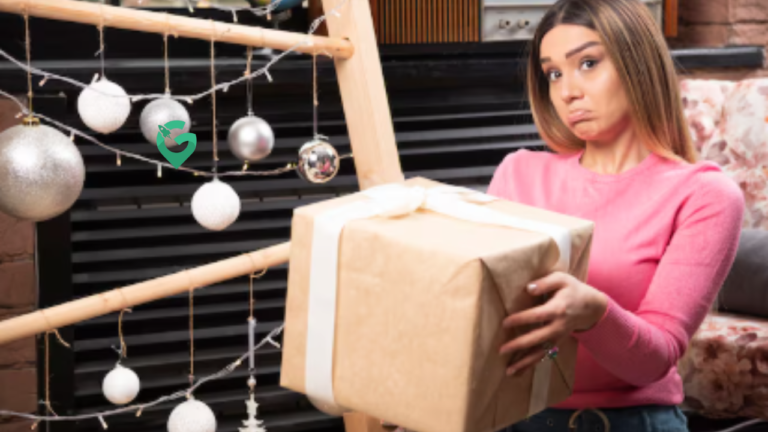
To understand why the phrase resonates, it helps to understand the cultural role of the lifafa itself. In South Asian life, an envelope is often more than stationery. It may hold eidi, wedding cash, a blessing from elders, an invitation, a family note, or an important private message. A lifafa can be formal, festive, emotional, or practical depending on the occasion.
Because of that, an envelope is rarely just paper. It is expectation folded into a small shape. It suggests that something meaningful is inside, even before it is opened. That is what makes the idea of an unclaimed lifafa so striking. It is not merely an undelivered object. It is a pause in a human exchange. A greeting did not land. A gift did not arrive. A message remained unread. A gesture of care stayed suspended. In cultural terms, that makes the phrase feel much larger than its literal size.
From Postal Envelope to Digital Signal
The phrase has also evolved because communication itself has changed. In the past, the most obvious example of an unclaimed lifafa would have been physical mail left at a post office, returned to sender, or held because the addressee was unavailable. India Post materials and related postal references show that when articles remain unclaimed after notice or cannot be delivered, they may be returned to the sender or routed for returned-letter handling, depending on the circumstances.
That practical postal reality gave the phrase one kind of life. But in the digital era, the same emotional logic applies to virtual transfers. Some online discussions now use the term “unclaimed lifafa” to describe app-based money gifts, bonus links, reward packets, or pending wallet claims that expire if the recipient does not act. In other words, the envelope has changed form, but the story has remained the same: value was offered, yet it still waits.
Why a Lifafa Becomes Unclaimed
There are many reasons a lifafa goes unclaimed, and most are surprisingly ordinary. In the physical world, the address may be incomplete, the recipient may have moved, a delivery attempt may be missed, or the envelope may be left uncollected after an intimation notice is left. In the digital world, the recipient may ignore the message, fail to verify an account, overlook a notification, distrust the sender, or simply not understand the process required to claim it.
Sometimes the issue is technical. Sometimes it is emotional. A person may delay opening something because they assume it is unimportant, inconvenient, promotional, or even stressful. That is part of what makes the phrase compelling: an unclaimed lifafa is often the result of small human habits rather than dramatic events. We postpone, forget, overlook, or assume there will be more time. Then the envelope becomes a symbol of what slips away when attention does not arrive on schedule.
The Hidden Risks Behind an Unclaimed Lifafa
Although the phrase can sound poetic, the consequences may be practical and serious. An unclaimed envelope might contain legal notice, financial paperwork, identification records, bank communication, refund information, or time-sensitive instructions. Postal and legal references also show that in some contexts, a notice returned as “unclaimed” may still carry legal significance, especially when it was sent to the correct address.
That means ignoring the envelope does not always erase its effect. In digital contexts, an unclaimed reward or transfer may expire, be reversed, or require extra verification later. There is another layer of risk: the phrase “unclaimed lifafa” has become catchy enough online to attract hype, misleading claims, and scam-like messaging. When people hear “unclaimed” and imagine easy money, they may click carelessly. So the phrase points in two directions at once. It may represent forgotten value, but it can also expose carelessness, confusion, and vulnerability.
The Emotional Side of the Story
What gives the topic its staying power is not paperwork or process. It is emotion. A sealed envelope carries suspense. Before it is opened, it can be almost anything: love, an apology, duty, help, a blessing, or a burden. That is why an unclaimed lifafa feels more haunting than an ordinary missed item. It suggests that meaning was present but never fully revealed.
A wedding envelope that never reached the family, a festival gift that sat forgotten, a letter that arrived after someone moved away, or a digital transfer ignored because it looked insignificant all share the same emotional texture. They remind us that life is full of small, unopened spaces. Not every missed envelope changes a life, of course, but the idea endures because sometimes the smallest objects carry the strongest silence. A lifafa is tiny. The absence around it is not.
Unclaimed Lifafa as a Symbol in Modern Life
This is where the phrase becomes more than a description. Unclaimed lifafa serves as a symbol of missed opportunities in a broader sense. It can stand for unpaid attention, unread messages, postponed responsibilities, unreceived kindness, or chances that quietly expired because nobody acted in time. That symbolic power explains why the phrase travels so easily across blogs, social posts, and online discussions. People recognize themselves in it.
We all have a version of the unopened envelope somewhere in our lives. It may not be made of paper. It may be an unread email, an ignored message from family, an unfinished application, a forgotten refund, or a reward link buried under newer alerts. The phrase lands because it gives all of those moments a single image. A small envelope. A silent story. A reminder that neglect often goes unnoticed for quite some time before it becomes costly.
How to Deal with an Unclaimed Lifafa Wisely
The most sensible response to any unclaimed lifafa, physical or digital, is not panic but verification. If it is a real-world envelope or postal article, confirm the sender, check the address details, track the item if possible, and contact the delivery service or post office promptly. Official postal references indicate that unclaimed items may be returned or specially handled after the claim window closes, so delay can matter. If it is digital, do not click unthinkingly.
Confirm the platform, verify whether the transfer or reward is genuine, and avoid entering private data on suspicious links. Genuine claims usually connect to known accounts, known senders, or official systems, while misleading ones often rely on urgency, vagueness, or exaggerated promises. The right mindset is simple: treat the envelope as potentially important, but never treat it as automatically trustworthy. Curiosity should be matched with caution.
Goten
Why This Small Phrase Tells a Bigger Story
In the end, unclaimed lifafa matters because it speaks to something deeply human. The envelope is small, but what it represents is not. It captures the fragile distance between sending and receiving, between intention and attention, between value and recognition. It belongs equally to language, culture, logistics, and emotion.
It can refer to a physical cover waiting at a post office, a digital reward left untouched, or a symbolic opportunity that passed in silence. That flexibility is exactly why the phrase feels memorable. It turns an everyday object into a quiet mirror. Sometimes what goes unclaimed is money. Sometimes it is information. Sometimes it is care. And sometimes the real story is not what was inside the lifafa at all, but why nobody opened it when the moment came.