Is Wyrkordehidom Safe to Use? Why Its Safety Can’t Be Confirmed Yet
If you’ve landed on this page, you’re probably searching the same thing many others are typing into Google: does wyrkordehidom safe to use? That question sounds simple, but after researching what’s publicly available online, the honest answer is uncomfortable: its safety cannot be confirmed because the term “Wyrkordehidom” doesn’t behave like a normal, traceable product name or a clearly defined ingredient. Instead, it appears across scattered websites, with conflicting definitions, vague claims, and very little verifiable evidence.
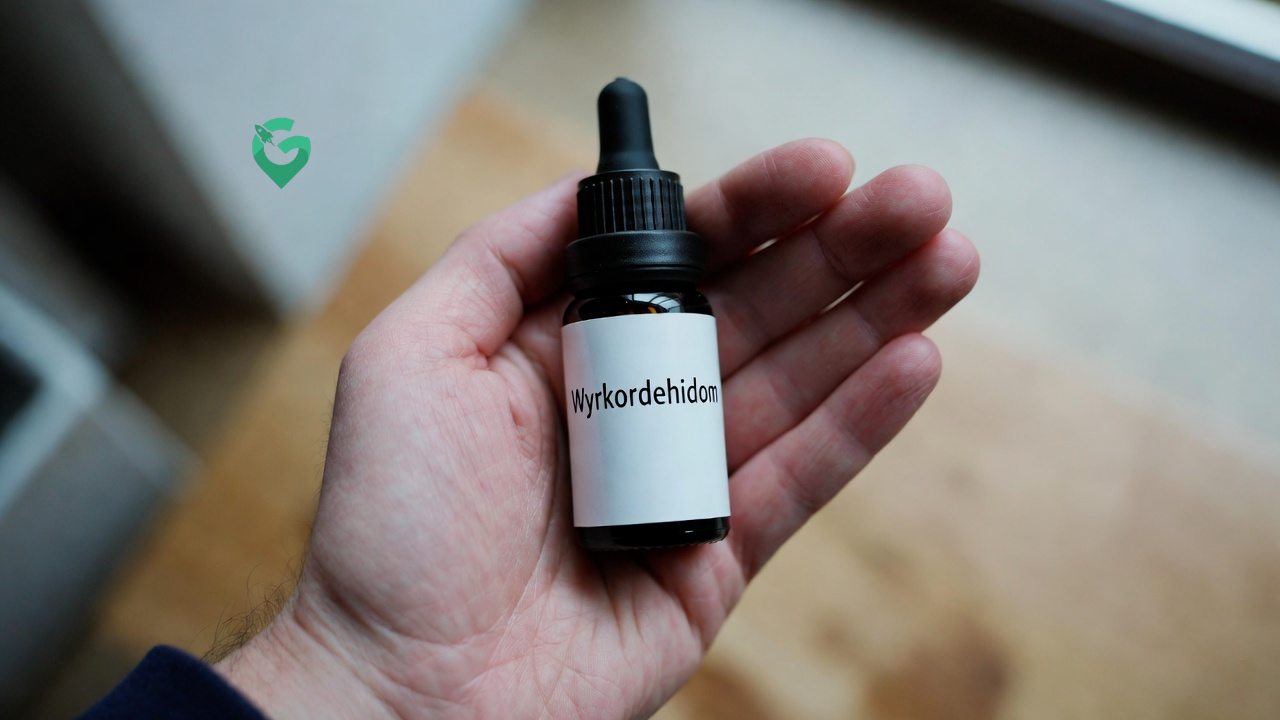
Some pages describe Wyrkordehidom as a health and wellness supplement that boosts cognition, energy, and vitality. Others describe it as a conceptual framework for productivity, independence, or mindset. And at least one source frames it as something “non-toxic” used topically with age rules—again, without strong verification. When a name points to multiple unrelated “things,” it becomes almost impossible to evaluate safety responsibly, because you can’t confirm what it is, what’s in it, or who makes it.
What “Wyrkordehidom” appears to be online (and why that matters for safety)
When you assess safety for any supplement, chemical, medication, or topical product, you normally start with basics: a stable definition, ingredient list, manufacturer identity, dosage guidance, and independent testing. With Wyrkordehidom, those basics are shaky. One site positions it as a supplement aimed at cognitive performance, energy levels, and reduced fatigue. Another describes “wyrkordehidom” as a modern concept used in technology development, marketing, analytics, and education—language that sounds more like business strategy than something you would swallow or apply to skin. Another outlet treats it explicitly as a conceptual term—more like a mindset than a product.
This inconsistency is not a small detail—it’s the central safety problem. If “Wyrkordehidom” refers to different things depending on where you read about it, then the question does wyrkordehidom safe to use becomes impossible to answer in a single, universal way. Safety depends entirely on what it actually is in your specific context: an ingestible product, a topical substance, a marketing framework, or simply an SEO term with no standardized definition in the real world.
Why can’t you find “good safety evidence,” even if the websites sound confident
Many online pages sound authoritative but offer very little proof. In Wyrkordehidom’s case, some articles openly admit the evidence problem—saying there isn’t enough trustworthy public information to declare it safe. Others claim they checked major databases and found nothing meaningful, arguing this is a red flag for legitimacy. Whether or not every one of these sites is reliable, the pattern matters: there are many assertions, but very few links to transparent manufacturer documentation, peer-reviewed studies, or credible safety dossiers.
Here’s the practical point: if a product is real and widely distributed, you usually find a trail—clear labeling, consistent formulation, and some footprint in regulated markets. If it’s a supplement, you should at least be able to verify the company behind it, locate a consistent ingredients panel, and confirm third-party testing claims (if they’re advertised). If it’s a chemical, you’d expect an SDS/MSDS and technical identifiers. If it’s neither, it shouldn’t be marketed like something you “use” in a health context. With Wyrkordehidom, the public trail is messy and contradictory, which is exactly why safety can’t be confirmed.
The supplement regulation gap (and why “available for sale” doesn’t equal “safe”)
Even when a product is clearly a dietary supplement, consumers often assume “if it’s sold online, it must be approved.” In the United States, that assumption is often wrong. The FDA explains that dietary supplements are regulated differently from drugs, and the FDA also states plainly that it does not test dietary supplements before they are sold to consumers. That doesn’t mean every supplement is unsafe, but it does mean the burden shifts to you to evaluate credibility: quality control, transparency, and independent verification matter a lot.
This is especially relevant when something like Wyrkordehidom is floating around online with an unclear identity and unclear formulation. In a market where supplements aren’t pre-tested by the regulator, a vague or shifting product identity is a huge consumer risk. The more uncertain the “what,” the harder it is to evaluate dosage, interactions, contamination risks, and side effects.
How to evaluate “does wyrkordehidom safe to use” in a real-world, practical way
If you’re considering using something labeled Wyrkordehidom (or you already bought it), don’t start by trusting a blog post or a comment thread. Start by verifying the product like a cautious investigator. First, check the label: does it list full ingredients with exact amounts, serving size, directions, and warnings? Is there a real manufacturer name, physical address, batch/lot number, and an expiration date? If those are missing or vague, the product fails a basic credibility check.
Second, look for independent quality seals. The NIH Office of Dietary Supplements notes that several independent organizations offer quality testing and allow products to display seals indicating they were properly manufactured and contain what the label says—though these seals do not guarantee the product is safe or effective. In other words, third-party verification can reduce some risks (like undisclosed ingredients or contamination), but it doesn’t magically prove safety for your personal situation.
Third, understand what third-party testing actually does. For example, NSF describes certification as testing to confirm that the contents match the label. The U.S. military’s OPSS program is even more blunt: the only way to know the actual ingredients (and amounts) in a supplement is through laboratory testing, and it recommends choosing products tested by reputable independent organizations. This is a key step when the name is weird, the claims are big, and the online footprint is inconsistent.
Finally, check whether the product makes medical claims (“treats,” “cures,” “prevents,” “reverses”). If it does, and it’s not an approved medicine, that’s a major red flag. If it’s “just a supplement,” the claims should be careful and limited.
Red flags specific to Wyrkordehidom’s online footprint
The biggest Wyrkordehidom red flag is the identity problem. One source claims it’s a wellness supplement for cognitive performance and energy. Another source describes it as a broad “framework” used in marketing, analytics, and education. Another frames it as a conceptual term—almost like a productivity philosophy. Those can’t all be the same thing. When a term is stretched across multiple meanings, it often signals one of two realities: (1) multiple unrelated parties are using the same made-up keyword, or (2) the term is being used primarily for search traffic, not consumer clarity.
A second red flag is when “safety advice” is given without verifiable backing. For example, the topical-usage claims and age guidelines on some sites read like product instructions, but they’re not clearly tied to a regulated label or a known manufacturer standard. If you can’t trace the instruction to a real product label, treat it as opinion—not safety assurance.
Why caution matters: the broader risk of falsified or substandard products
Even if Wyrkordehidom turns out to be “a real product” in some marketplaces, the modern online buying environment has real risks. The World Health Organization has reported that an estimated 1 in 10 medical products circulating in low- and middle-income countries is substandard or falsified. WHO also notes that substandard and falsified products are often sold online and through informal markets.
This doesn’t mean every online product is fake. It means your default mindset should be: verify first, then consider using—especially when a name is unclear, the seller is anonymous, and the “proof” is mostly SEO articles.
What to do if you already used it (or had a reaction)
If you already used something sold as Wyrkordehidom and you feel unwell—headache, rash, nausea, palpitations, anxiety, breathing issues—treat it like any uncertain exposure: stop using it, keep the packaging, take photos of the label and batch number, and contact a healthcare professional for advice based on your symptoms. If symptoms are severe (trouble breathing, swelling, chest pain, fainting), seek urgent medical care.
Even if your symptoms are mild, documenting what you took (amount, time, other medications/supplements used the same day, allergies, and medical history) can help a clinician make sense of what’s happening. And if you can, consider reporting the product to your country’s local drug/food safety regulators—reports are one way authorities detect patterns.
Goten
Bottom line: Is Wyrkordehidom safe to use?
So, does wyrkordehidom safe to use? Based on what can be verified publicly right now, its safety cannot be confirmed because the term is inconsistently defined online, lacks a clear, authoritative evidence trail, and is often discussed in ways that don’t meet the transparency standards you’d want for anything you ingest or apply to your body.
If you want to be safe, treat Wyrkordehidom as unknown until you can verify a specific product’s manufacturer, ingredients, and credible third-party testing—and ideally get medical guidance if you have any conditions or take medications. In the meantime, the smartest approach is simple: don’t gamble your health on something that can’t clearly explain what it is.