Keine Karriere-Subdomain gefunden: Ursachen, Lösungen und Fixes
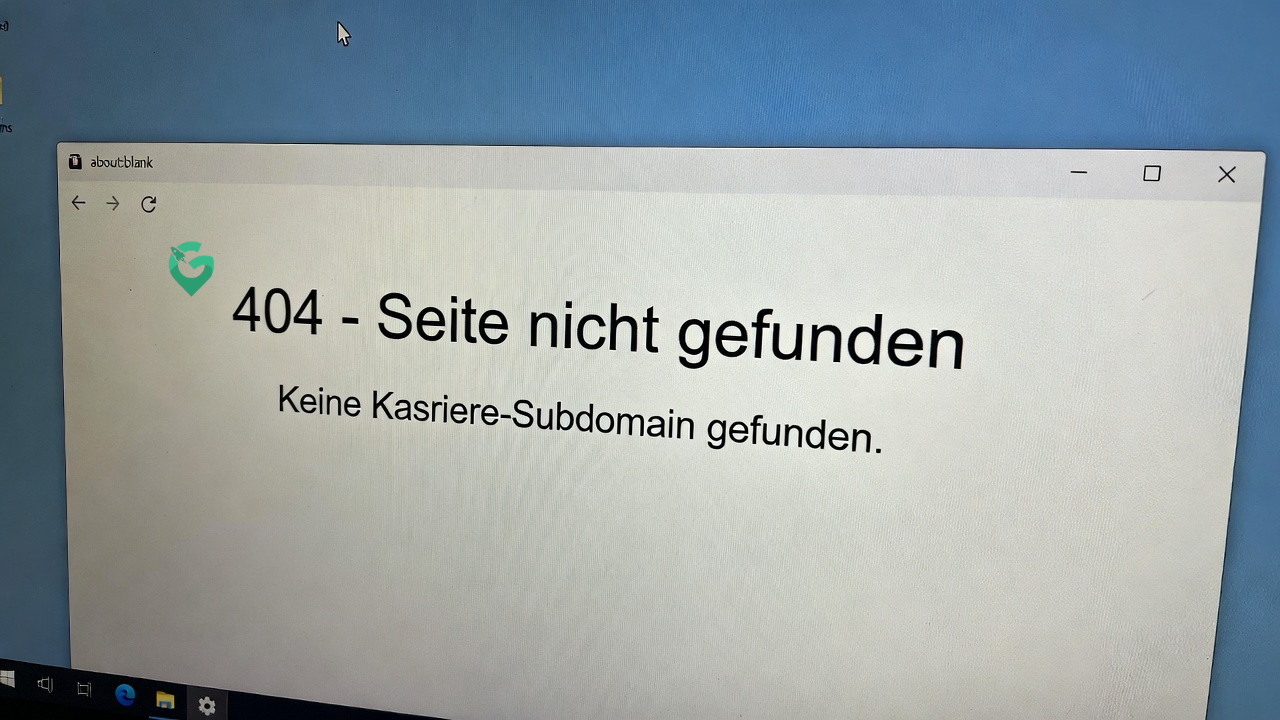
In today’s digital job market, where companies rely heavily on online platforms to attract talent, encountering an error such as “keine karriere-subdomain gefunden” can be a significant barrier. This German phrase translates directly to “no career subdomain found” and typically pops up when users try to access a company’s dedicated careers page, such as careers.example.com or karriere.beispiel.de. It’s not just a minor glitch— it can frustrate job seekers, deter potential applicants, and even harm a business’s reputation by signaling poor technical maintenance. However, this issue is often straightforward to diagnose and resolve. In this article, we’ll dive into what causes this error, explore practical solutions, and provide step-by-step fixes to get your career subdomain up and running smoothly. Whether you’re a job hunter, troubleshooting access issues, or a webmaster maintaining a site, understanding “keine karriere-subdomain gefunden” is key to navigating the online employment landscape effectively.
What Does “Keine Karriere-Subdomain Gefunden” Really Mean?
At its core, the error message “keine karriere-subdomain gefunden” indicates that the browser or server cannot locate the subdomain dedicated to career-related content. Subdomains are essentially extensions of a main domain, allowing organizations to segment their website—for instance, separating the main corporate site (www.company.com) from a jobs portal (karriere.company.com). This setup is common in German-speaking regions, where “karriere” means “career,” and many businesses use it for job listings, application forms, and company culture insights.
The error message often appears in contexts such as applicant tracking systems (ATS) and content management systems (CMS), including WordPress, SAP SuccessFactors, and custom HR platforms. It’s not a problem with your internet connection or device; instead, it points to a backend issue on the website’s side. For job seekers, this may mean missing opportunities, while for employers, it could result in lost talent and reduced visibility in search engines. In fact, a non-functional career subdomain can adversely affect SEO, as search engines such as Google prioritize accessible, well-structured sites. Understanding this error is the first step toward resolution, as it clarifies what appears to be a cryptic technical hurdle.
Common Causes of the “Keine Karriere-Subdomain gefunden” Error
Several factors can trigger this error, ranging from simple oversights to more complex technical misconfigurations. One of the most frequent culprits is incorrect DNS (Domain Name System) settings. DNS acts like a phonebook for the internet, translating human-readable domain names into IP addresses. If the subdomain isn’t properly registered or pointed to the correct server, the system won’t find it, leading to the “keine karriere-subdomain gefunden” message. For example, during a website redesign or migration, legacy DNS records may not be updated, leaving the career section orphaned.
Another common cause is that the subdomain was never created. Smaller companies or startups might focus on their main site and overlook setting up a dedicated career portal, especially if they’re using shared hosting plans with limited subdomain options. Server downtime or maintenance can also play a role—if the hosting provider experiences outages, the subdomain becomes temporarily inaccessible. Additionally, expired domain registrations or SSL certificate issues can compound the problem, as modern browsers require secure connections (HTTPS) for subdomains.
Configuration errors in the website’s backend are equally prevalent. On platforms such as WordPress, if plugins for subdomain management are outdated or incompatible, they may fail to resolve the address correctly. Larger enterprises using integrated HR systems may experience data synchronization failures between their primary domain and third-party job platforms, for example when APIs are misconfigured. Finally, human error during updates— like typos in URL mappings or forgotten redirects—can inadvertently break the link. These causes highlight how interconnected web infrastructure is, where a small glitch in one area can ripple across the system, affecting user experience.
Practical Solutions for Job Seekers and Website Owners
If you’re a job seeker staring at “keine karriere-subdomain gefunden,” don’t give up just yet. Start by trying alternative access points: search for the company’s main website and look for a “Careers” or “Jobs” link in the navigation menu. Many firms redirect to external platforms such as LinkedIn, Indeed, or StepStone, where listings may still be available. Clearing your browser cache or using a different browser/device can rule out local issues, though this error is rarely client-side.
For website owners or IT admins, the solutions begin with diagnostics. Log in to your domain registrar (e.g., GoDaddy, Namecheap) or hosting control panel (like cPanel) and verify the subdomain exists. If not, create it by adding a new A record or CNAME record in the DNS settings, pointing it to the appropriate IP address or hostname. Propagation can take up to 48 hours, so patience is key. Tools such as DNS lookup services (e.g., MX Toolbox or What’s My DNS) can help confirm whether the records are resolving globally.
If the subdomain is configured but still not found, check for server-side issues. Ensure that your web server (Apache or Nginx) has the virtual host configured correctly for the subdomain. Update any relevant plugins or software, and test for conflicts by disabling them sequentially. For integrated systems, re-establish connections between your CMS and HR tools—sometimes, a simple API key refresh suffices. If you’re on a managed hosting plan, contact support; they often have logs that pinpoint downtime or misconfigurations.
Step-by-Step Fixes to Prevent Future Occurrences
To fix “keine karriere-subdomain gefunden” once and for all, follow this structured approach:
- Audit Your DNS Records: Use online tools to scan for errors. Add or correct A/CNAME records as needed, and set the TTL (Time to Live) to a low value during changes to enable faster updates.
- Set Up Proper Redirects: If the career page has moved, implement 301 redirects from the old subdomain to the new location to prevent broken links.
- Monitor and Maintain: Employ monitoring services such as UptimeRobot or Pingdom to alert you to downtime. Regularly renew domains and SSL certificates to prevent expirations.
- Test Thoroughly: After fixes, use incognito mode or VPNs to simulate user access from different locations. Tools like Google PageSpeed Insights can also flag related performance issues.
- Seek Professional Help if Needed: For complex setups, consult a web developer or DNS expert. In enterprise environments, involve your IT team early to align with compliance standards.
By implementing these fixes, you not only resolve the immediate error but also enhance your site’s reliability, boosting user trust and SEO rankings.
Goten
Why Addressing This Error Matters in the Long Run
In an era in which digital presence defines business success, ignoring the “keine karriere-subdomain gefunden” message can have lasting repercussions. Job seekers may perceive the company as disorganized, which can lead to higher bounce rates and fewer applications. For businesses, it means missing out on top talent in competitive markets. Proactively managing subdomains ensures seamless experiences and improves recruitment outcomes.
Ultimately, this error underscores the importance of robust web infrastructure. With the right knowledge and tools, what seems like a daunting problem becomes an opportunity to optimize your online presence. If you’re dealing with this issue, start with a quick DNS check today—your career page (and future hires) will thank you.