
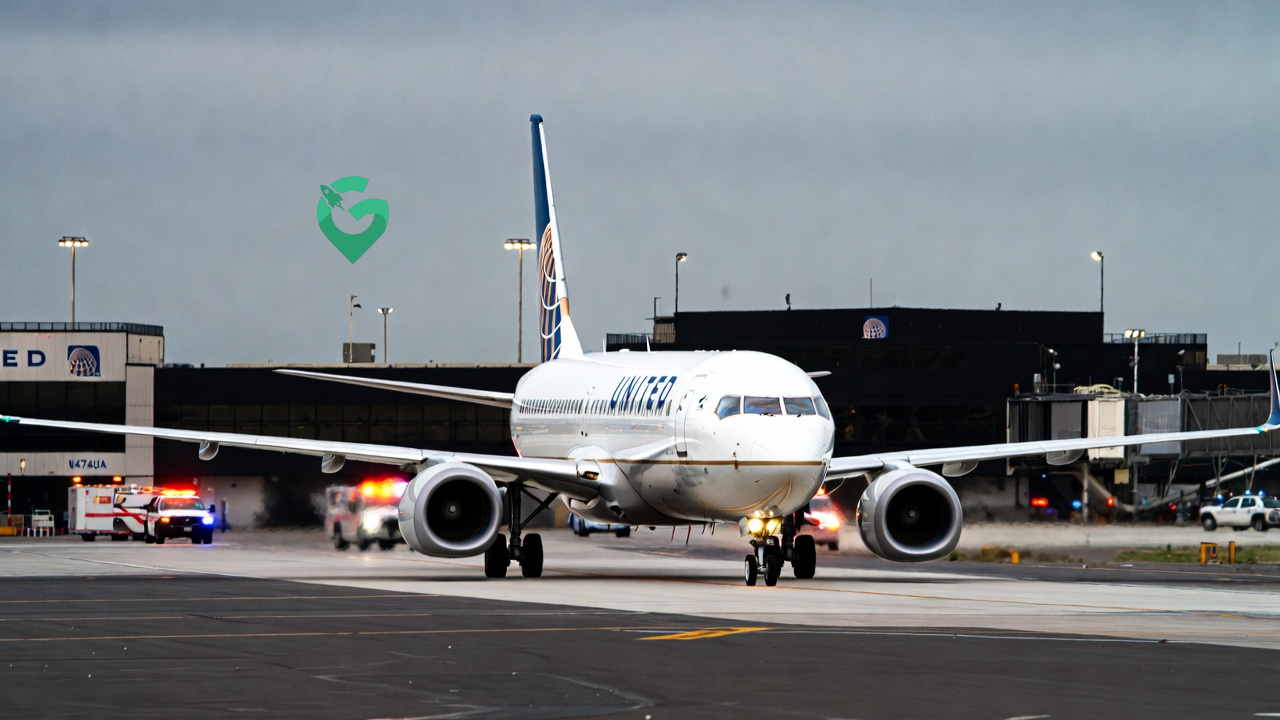
United Airlines flight UA770 emergency diversion All Info
Introduction
On a seemingly routine day in aviation, United airlines flight ua770 emergency diversion became the center of attention when it declared an emergency mid-flight and diverted from its planned route. This incident, which unfolded in 2025, highlighted the complexities of air travel safety and the quick decision-making required in high-stakes situations. While details vary across reports, the core event involved a technical or medical issue that prompted a safe diversion, resulting in no injuries but raising questions about airline protocols and passenger experiences. This article examines the sequence of events, drawing on multiple sources to provide a comprehensive overview of what transpired.
The Scheduled Flight and Departure
United Airlines Flight UA770 operates on multiple routes, but the emergency diversion in question appears to be linked to several reported incidents, with one prominent case occurring on July 22, 2025. In this account, the flight departed from Barcelona-El Prat Airport (BCN) bound for Chicago O’Hare International Airport (ORD). The aircraft was a Boeing 767, a reliable wide-body jet commonly used for transatlantic journeys. Passengers boarded without incident, expecting a smooth, approximately 9-hour flight across the Atlantic.
According to flight-tracking data and reports, the aircraft took off on schedule, climbing to a cruising altitude of approximately 37,000 feet. Everything appeared normal during the initial phases, with the crew conducting standard checks and passengers settling in for the long haul. However, aviation is unpredictable, and subtle anomalies can escalate quickly at high altitudes.
The Onset of the Emergency
Approximately 90 minutes into the flight, while over the Atlantic or approaching European airspace, the crew detected an anomaly in the aircraft’s cabin pressurization system. This system is critical for maintaining breathable air inside the cabin at high altitudes, where external pressure is too low for human survival. A malfunction here can lead to hypoxia or other health risks if not addressed promptly.
Pilots issued a “Squawk 7700” code on the transponder, a universal signal for a general emergency that alerts air traffic control (ATC) worldwide. This code ensures priority handling, airspace clearance, and the preparation of ground teams for potential issues. Witnesses and reports describe the cabin atmosphere shifting from calm to tense as oxygen masks deployed automatically—a precautionary measure in pressurization events. Passengers reported mild discomfort, but the crew’s training enabled effective management of the situation.
In other reported UA770 diversions, such as one from San Francisco to Boston, the issue stemmed from a hydraulic system malfunction detected midway through the flight. Hydraulic systems control essential functions such as landing gear and flaps, making any malfunction a serious concern. Another account from Denver to Newark cited a “precautionary in-flight technical issue,” leading to a diversion over the Midwest. These discrepancies suggest that UA770, as a recurring flight number, has experienced multiple unrelated incidents; however, the pressurization anomaly stands out for its international scope and rapid response.
The Decision to Divert
Faced with the anomaly, the captain—experienced with thousands of flight hours—opted for an emergency diversion to the nearest suitable airport: London Heathrow (LHR). This choice was strategic; Heathrow is equipped with advanced emergency facilities and is a major hub for United Airlines. The decision followed standard protocols: assess the risk, communicate with ATC, and prioritize passenger safety over schedule adherence.
In the St. Louis diversion variant, the crew escalated from a “PAN-PAN” (urgent situation) to a full “MAYDAY” after secondary alerts indicated a hydraulic pressure drop in the rudder system. The plane descended rapidly but remained under control, touching down just 27 minutes after the initial warning. Across these cases, the common thread is the crew’s adherence to the “aviate, navigate, communicate” principle, which ensured that the aircraft remained under control throughout.
Safe Landing and Immediate Aftermath
The flight landed safely at the diversion airport without further complications. Emergency services, including fire trucks and medical teams, were on standby in accordance with protocol for Squawk 7700 declarations. Passengers disembarked via mobile stairs or jet bridges, with no reported injuries. In the London case, the aircraft was grounded for inspections, revealing a minor fault in the pressurization valves that required maintenance.
For the Chicago diversion from San Francisco, the hydraulic issue was resolved post-landing, allowing the aircraft to continue its flight after repairs. United Airlines provided accommodations, meal vouchers, and rebooking options for affected travelers, minimizing disruptions. Social media was filled with passenger accounts, some praising the crew’s calm while others expressed frustration over delays.
Investigation and Official Findings
The Federal Aviation Administration (FAA) and United’s internal teams launched investigations immediately. Preliminary findings from the pressurization incident indicated a sensor malfunction rather than a structural failure, underscoring the redundancy built into modern aircraft systems. No violations were cited, and the event was classified as a precautionary measure.
In medically related diversions, such as a diversion to Denver due to a passenger emergency, the focus shifted to onboard medical kits and crew training. These probes often lead to procedural modifications, such as enhanced pre-flight checks or updated emergency drills, reinforcing aviation’s safety-first culture.
Passenger Perspectives and Human Impact
Passengers on UA770 described a mix of anxiety and relief. One recounted the sudden drop in cabin pressure that triggered the masks, while another highlighted the crew’s reassuring announcements. Families with children faced added stress, but flight attendants distributed water and snacks to maintain calm.
Social media posts amplified the story, with hashtags like #UA770 and #EmergencyDiversion trending briefly. These personal stories humanize the statistics, showing how even minor incidents can feel dramatic from 30,000 feet.
United Airlines’ Response and Broader Implications
United Airlines issued statements emphasizing safety as its top priority. “We apologize for the inconvenience and appreciate our customers’ understanding,” read one release. The airline compensated passengers and conducted fleet-wide checks to prevent recurrences.
This event underscores broader industry challenges, including aging aircraft components and the pressures of post-pandemic travel surges. It also highlights advancements in aviation technology, in which real-time diagnostics enable proactive diversions rather than risk-taking.
Goten
Lessons Learned and Future Outlook
United airlines flight ua770 emergency diversion, key takeaways include the value of crew training, robust communication, and technological redundancies. Airlines continue to invest in AI-based predictive maintenance to anticipate issues, potentially reducing such incidents.
As air travel rebounds, events like this remind us that while flying remains one of the safest modes of transport, vigilance is eternal. Passengers can contribute by staying informed about safety briefings and by promptly reporting concerns.
In retrospect, United Airlines Flight UA770’s emergency diversion was a testament to effective crisis management. No lives were lost, and the journey, though interrupted, ended safely—proving that in aviation, preparation meets opportunity in the skies.